Get In-Demand Finance Certifications
Type of outsourcing wherein a third-party service provider is employed to carry out one or more business functions in a company
Business process outsourcing (BPO) is a type of outsourcing wherein a third-party service provider is employed to carry out one or more business functions in a company. The third party is responsible for carrying out all operations related to the business function.
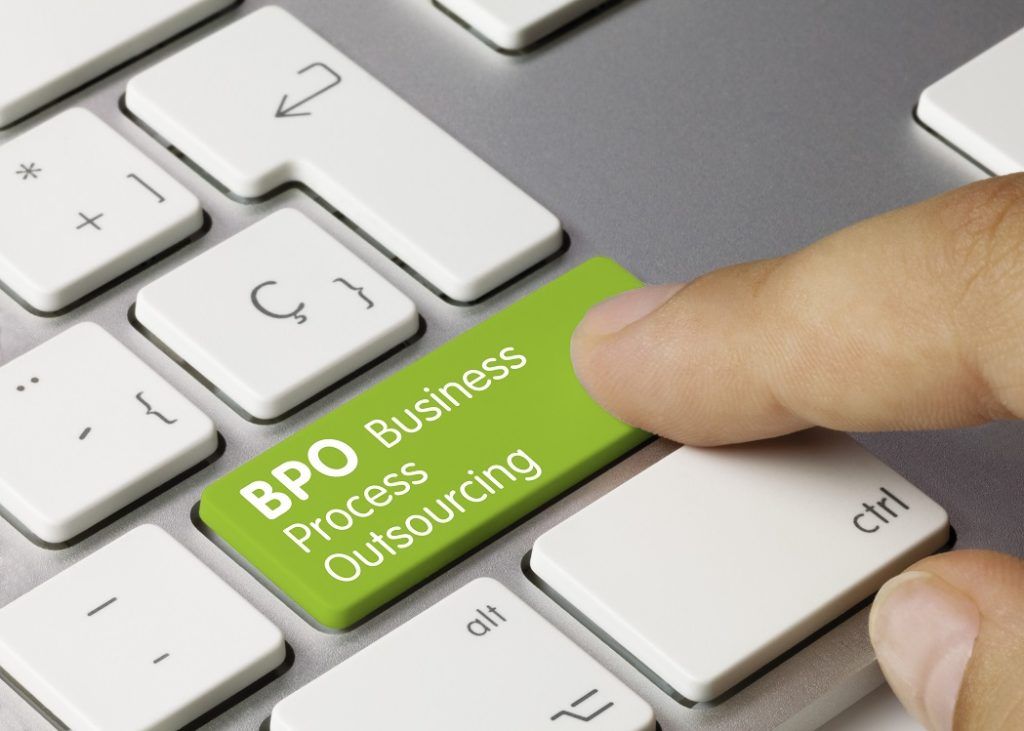
BPO is also known as subcontracting or externalization. It was originally used in the manufacturing industry but is now used for numerous business processes.
Organizations contract with BPO vendors for two main areas:
In many cases, organizations outsource one or more functions. For example, instead of outsourcing all HR functions, the company will outsource just the payroll processes.
When companies outsource operations via BPO, they often segregate work into front office (sales, customer relations) and back office (operations, IT, accounting). For a full primer, see our front office vs back office structure article.
BPO companies can be divided into several types based on their location:
Transferring in-house work to a BPO company requires change management as it impacts employees, workflow practices, and business operations as a whole. The outsourcing decision-making process involves the following:
One of the main reasons organizations outsource is cost reduction. Instead of buying IT equipment and hiring more employees to do different tasks, they can outsource the tasks to a service provider, reducing or even eliminating overhead costs.
BPO companies are experienced in different fields and perform at the highest level. They also adopt best practices and use the latest technology. It naturally results in higher efficiency and greater productivity.
Many companies, usually start-ups, encounter a difficult time with ancillary business activities. Transferring non-core processes to a BPO company gives the organization more time to focus on its main business activities.
If an organization decides to enter an overseas market, some activities that require local market knowledge, national law expertise, or fluency in a foreign language can be assigned to a BPO company. It helps boost efficiency and facilitate quicker expansion.
There is the possibility of a security breach while working with a BPO company, as sensitive data needs to be shared and processed.
When work is outsourced to a BPO company for an extended period, an organization can become accustomed to their way of working and tend to become overly dependent on them. It leads to the organization paying higher-than-usual costs if demanded.
When working with an offshore BPO company, the language barrier can become a hindrance to efficiency. Outsourcing work, such as development or IT services, where many people are involved, can lead to mistakes due to miscommunication. It can be extremely costly sometimes.
As work is not always straightforward, the organization may underestimate the quantity of work, which can lead to higher-than-expected costs. Working with a BPO company can lead to legal expenses in case of a dispute or disagreement. Delay in the delivery of work can also result in indirect costs.
Thank you for reading CFI’s guide to Business Process Outsourcing (BPO). To keep learning and developing your knowledge of financial analysis, we highly recommend the additional resources below: